LIVE ONLINE COURSE
LIVE ONLINE COURSE
LIVE ONLINE COURSE
LIVE ONLINE COURSE
LIVE ONLINE COURSE
LIVE ONLINE COURSE
LIVE ONLINE COURSE
LIVE ONLINE COURSE
LIVE ONLINE COURSE
LIVE ONLINE COURSE
LIVE ONLINE COURSE
LIVE ONLINE COURSE
LIVE ONLINE COURSE
LIVE ONLINE COURSE
LIVE ONLINE COURSE
LIVE ONLINE COURSE
LIVE ONLINE COURSE
LIVE ONLINE COURSE
LIVE ONLINE COURSE
EDITOR IN BOOK PUBLISHING
Dates:
15 OCT 2026 - 10 DEC 2026
Duration:
9 WEEKS
MONDAYS & THURSDAYS
5 PM PT / 8 PM ET
MONDAYS & THURSDAYS
5 PM PT / 8 PM ET
LIVE ONLINE COURSE
LIVE ONLINE COURSE
LIVE ONLINE COURSE
LIVE ONLINE COURSE
LIVE ONLINE COURSE
LIVE ONLINE COURSE
LIVE ONLINE COURSE
LIVE ONLINE COURSE
LIVE ONLINE COURSE
LIVE ONLINE COURSE
LIVE ONLINE COURSE
LIVE ONLINE COURSE
LIVE ONLINE COURSE
LIVE ONLINE COURSE
LIVE ONLINE COURSE
LIVE ONLINE COURSE
LIVE ONLINE COURSE
LIVE ONLINE COURSE
LIVE ONLINE COURSE
LIVE ONLINE COURSE
Our students work in 1600+ companies worldwide









INSTRUCTOR
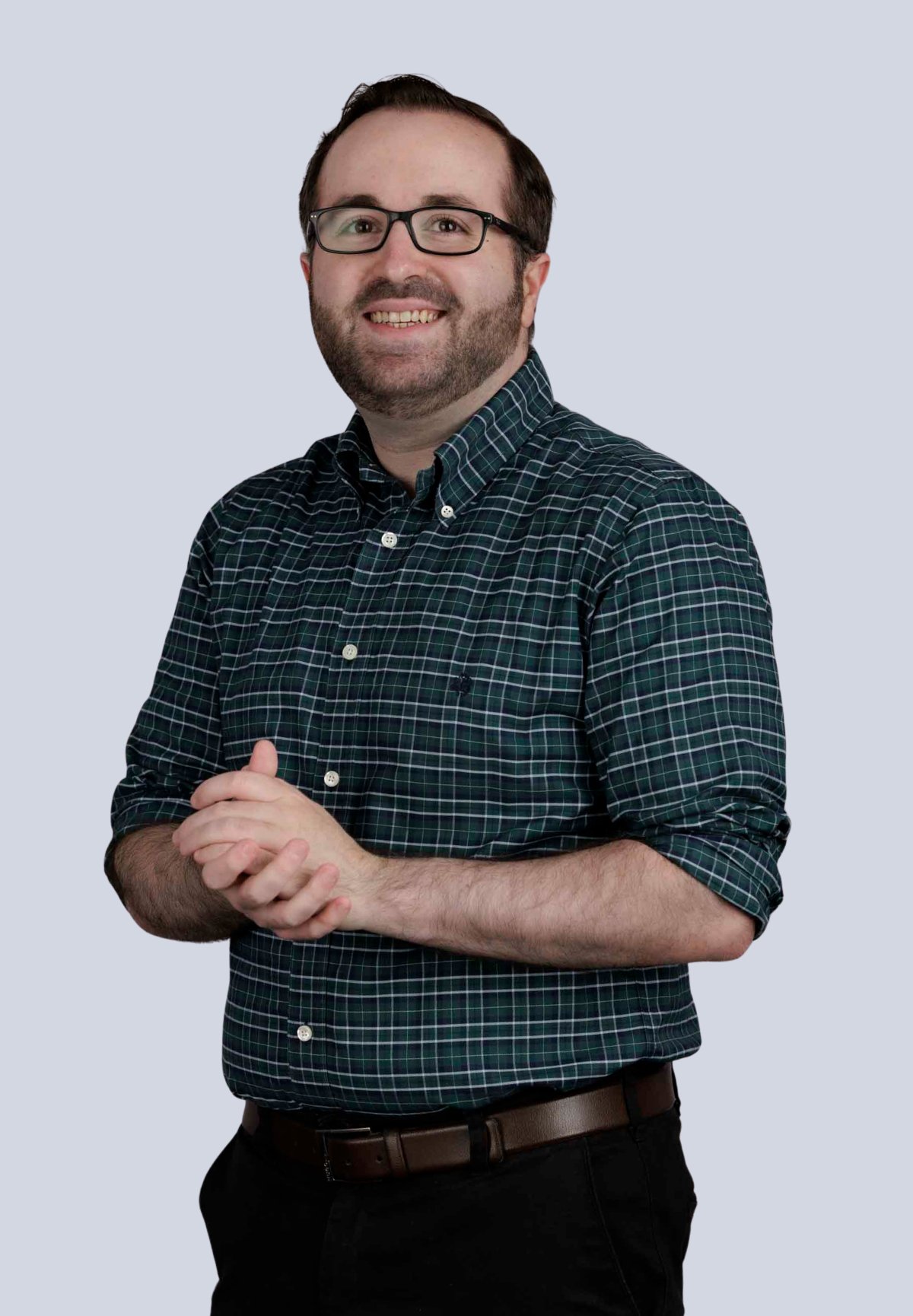
TOM HOELER
LinkedIn Profile- Leads Fiction and Special Projects as Editorial Director at Random House Worlds (Penguin Random House), shaping publishing programs for global franchises and original works
- Brings over a decade of experience in science fiction and fantasy publishing, developing best-in-class books with top authors and entertainment brands
- Directs the Star Wars adult novel program in partnership with Lucasfilm, including the #1 New York Times bestselling High Republic publishing initiative
- Launched the Stranger Things fiction program in partnership with Netflix, and collaborated with powerhouse brands such as Blizzard Entertainment, Wizards of the Coast, DC Comics, Marvel, and Disney
- Partnered with bestselling authors across his career including Terry Brooks, Delilah S. Dawson, George R.R. Martin, Rebecca Roanhorse, Madeleine Roux, Charles Soule, Chuck Wendig, and Timothy Zahn
- Guided the publication of 30+ New York Times bestselling novels, including three #1 hardcover bestsellers
What our students say

Jennifer Orengo
Author of the Shadows of Everlight series and the Moonseer trilogy
"I would recommend this course to anyone interested in editing or working in the publishing industry. It provides a strong introduction to editorial responsibilities, practical assignments, valuable industry insights, and a supportive environment for developing professional skills and confidence. "

Marie Bell
Digital Marketing Manager | West Region at Colliers
"I would tell them that it is worth the investment if they are interested in learning more about this industry."

Tisha Martin Mills
CEO and Tisha Martin Editorial, LLC
"Participating in Editor in Book Publishing with instructor Julia Wallace exceeded my anticipations. Julia is an incredibly delightful human and book expert, guiding a class of 75 students in the foundations of book publishing. As a seasoned editor myself, I came away from this class with more editorial polish, insights, and encouragement. Including a lovely community of writers and editors who are sure to be friends and colleagues into the future."
Amal Samuel
"I took the 8 week Editor in Book Publishing course with Tom Hoeler and it was fantastic! Tom was such a great instructor, very open, encouraging and down to earth. The whole team was terrific. I learned a lot about the publishing industry which I have been interested in starting a new career in. Highly recommend taking this course!"
Grace Gillingham
"I loved the hands-on exercises as they gave real-world experience to practice what we had learned. Each lesson was valuable due to Julia's breadth of knowledge, her kindness, and her network, who joined to guest speak during some of our lessons. The professionals in this course were one of a kind."
Sara Stewart
"As someone who is completely new to the book publishing industry, I was able to receive a wealth of knowledge that leaves me more confident than ever to pursue freelancing. I really enjoyed all of the class engagement with other students. The discord channel has been INCREDIBLY helpful for not just information but networking as well."
Stephanie Waldo
"There are so many things to enjoy with this course! Our instructor and guest speakers were very knowledgeable in varying sections of the industry providing this course with different perspectives and areas of expertise. The accessibility to the resources and job opportunities was incredibly inclusive. Additionally having the discord server to be able to connect with others in the course outside of class time was so beneficial to creating connections and learning together. I would recommend this course to anyone interested in understanding the business of publishing!"

Hanna Horn
Freelance Editor
"To go for it if they're really passionate about this career option!"
Jes Cervantes
Associate Director, Social Content & Engagement Strategy
"Great course where you'll learn the ins and outs of the publishing world and gain feedback from the instructor but peers also!"
Katherine Dillon
"This is a great course if you're interested in a career in book editing but aren't familiar with the publishing landscape."
Abegail Reed
"I would tell them that though it may seem difficult at first, all the resources provided and flexibility throughout make things sail pretty smoothly"
Eden Celeste Tullis
"It's worth their time and money if you are willing to put in the effort! "
Hannah Davis
Kitchen assistant at Whealth Kitchen
"I would say that it's convenient for busy people that are looking for a flexible course. And it's great that you're learning from people that are professionals in the field you're learning about."
Nimna-Uththara Perera
Editor at Nth Draft Editing
"To most certainly do the course and it is worth the money. One big part for me was the course fee and I was debating whether to spend it on this or something else. Thank God I didn't spend it on something else :)"
Morgan T. Gallagher
Maine High School English & Media Literacy Teacher
"ELVTR offers great introductory programs if you want to dip your toe in and learn something new!"
Alia Loureiro
Marketing Specialist at AvaLux
"If you looking to gain a new skill and learn about the different avenues and ways to get into book publishing to take this course. "
Deborah Iris Louise Hawkins
"I would tell them to take the class because it is well crafted, from google classroom and discord, to the constant updating done by Marina. There is no way to get lost or left behind. "
Kimberly Armstrong
"It's a really great introduction to all things editorial. I didn't have any idea of the many roles an editor could take. So, it was really helpful to learn about each role and what really might work best with our interests and where we might be able to pursue those, whether freelance or working for a publishing house or even how to do both. "
Jane Looby
Nail technician
"I’m glad I took the class and did get a better understanding of the publishing industry. I used the assignments to construct a portfolio which will make me more confident when looking for editing work. "
Melissa Harmon
"The course is helpful in a variety of areas, from networking and job search resources to functional knowledge. "
Rachel Rebecca Bierman
"Good for beginners who want to learn about the basics of the industry, you learn about the different types of editors and their responsibilities and offer real world examples of the work."
Elizabeth Shepherd
Middle School Librarian, Tennessee
"Just finished the Editing in Book Publishing with Julia Wallace and it was fantastic. Talk about a crash course in publishing from someone who is literally in the thick of it. She was a wonderful teacher and I feel so much more prepared to head into the world of freelance editing."
Shinjini Nag
"I would tell them this is perfect as an introduction to the publishing world—whether you want to specifically be an editor or not."
Deepa Patel
"That it is an essential class to understand the publishing space"
Jessica Pust
"I completed the Editor in Book Publishing Course with Tom and I can't say enough good things! 5 stars may be insufficient. If you can dedicate your time to giving this course your all, it will repay you in bounds!"