FANTASY WRITING
MONDAYS & THURSDAYS
4 PM PT / 7 PM ET
18 MAY 2026 - 2 JUL 2026
DURATION:
7 WEEKS
MONDAYS & THURSDAYS
4 PM PT / 7 PM ET
Turn ideas into worlds. From first spark to full plan, build characters, magic, and maps that could launch a bestselling fantasy series.
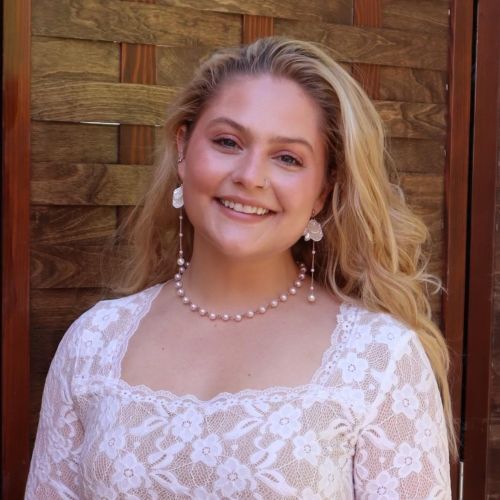
Prepare your story for the publishing world under the expert guidance of Zoraida Córdova, National Bestselling author of 30+ novels and short stories.
THIS COURSE IS FOR YOU, IF...
-
YOU ARE A FREELANCE FANTASY NOVELIST
You’ve built a world, but keeping the plot tight, the character arcs sharp, and the magic system consistent across 400+ pages is another battle. This fantasy writing course helps you structure long-form fantasy with intention, strengthen emotional stakes, and refine your manuscript into something agent-ready and commercially competitive.
-
YOU WORK IN EDITORIAL OR PUBLISHING
You spot potential — but identifying true breakout fantasy and giving feedback that elevates it can be tricky. Here, you’ll sharpen your eye for structure, pacing, character depth, and magic systems, and learn how to deliver actionable, craft-driven feedback that moves a manuscript from promising to publishable.
-
YOU ARE AN ASPIRING FANTASY AUTHOR
You have the idea. Maybe even the map. But turning that spark into a cohesive, compelling novel feels overwhelming. This course gives you the foundations: clear plot architecture, believable characters, and world-building systems that hold up, so you’re not just writing fantasy, you’re building a story readers and publishers can invest in.
Our students work in 1600+ companies worldwide

From premise to full plot synopsis, every week moves you closer to a complete, structured fantasy story. Through weekly creative exercises, you’ll build your world, shape layered characters, map acts and chapter plans, and stress-test your magic system, turning loose ideas into a story blueprint.
Break down modern and classic fantasy to see how the pros build worlds that feel real and stakes that hit hard. Study Ninth House, Legends & Lattes, Jade City, Earthsea, The Lies of Locke Lamora, The Rage of Dragons, Murderbot, and more — to dissect structure, voice, pacing, and worldbuilding choices.
Your endgame: a professional, submission-ready Fantasy Story Plan. Develop a detailed outline for your first book, complete character profiles, and a cohesive worldbuilding compendium. The result is a comprehensive blueprint you can draft from, pitch with, or use as the foundation for a full series.
ZORAIDA CÓRDOVA
Portfolio- Started writing at thirteen and studied English Literature and Latino Studies at Hunter College and the University of Montana
- Published 30+ novels and short stories since 2012, including the national bestseller The Inheritance of Orquídea Divina, Kiss the Girl (USA Today bestseller), and Star Wars: The High Republic: Convergence
- Launched the award-winning Brooklyn Brujas trilogy with Labyrinth Lost, recipient of an International Latino Book Award
- Develops IP as a Tastemaker for Cake Creative & Electric Postcard Entertainment and works as a freelance editor
- Edited the SFF anthology Reclaim the Stars, co-edited the bestselling Vampires Never Get Old, and writes adult romance under the pen name Zoey Castile
Beyond meeting your instructor and peers, align your creative expectations with the course roadmap and the final story plan project.
- Meet your instructor
- Syllabus breakdown
- Assignments overview
- Icebreaker exercise: Discussion of favorite tropes and novels/series & where they are located
Final Project: Full Fantasy Story Plan
Create an original fantasy story plan.
This week, you’ll discover where your story truly belongs. By exploring fantasy’s many subgenres, you’ll define your creative niche and begin shaping your world’s tone, scope, and identity. Through guided discussion and peer feedback, you’ll refine the concept that will carry you through the course.
- Genres & major subgenres
- Finding your niche and passion
- Workshop 1: In pairs, discuss the project you will be working on for the course
A strong premise is the foundation of every great fantasy. In this session, you’ll learn how to shape your inspiration into a focused idea that blends theme, emotion, and market appeal. You’ll also study examples that use theme to give their worlds deeper meaning and direction.
- Entering your fantasy world
- Conveying central themes and messages
- Developing a strong, unique story premise
- Workshop 2: In small groups, present your story premise
- Case Studies: Ninth House by Leigh Bardugo & Legends & Lattes by Travis Baldree
Weekly Writing Exercise #1 (Ungraded):
Reimagine a contemporary story with fantasy elements
OR
Remove the fantasy from an existing story. How does it change?
Assignment #1: Story Premise Summary
Develop a one-page premise summary for your story. It should include your protagonist, their goal, the central conflict(s), and the stakes. This will be the foundation for your final outline.
World-building is more than naming cities or sketching maps, it’s about creating societies that feel alive. This class focuses on building believable worlds with unique histories, social systems, and cultures that shape the way your characters live and think.
- Unique lands, geographies, and cosmologies
- Maps and their role in storytelling
- Believable cultures, governments, and social structures
- Unique fantasy races and species
- Case Studies: Jade City by Fonda Lee & Six of Crows by Leigh Bargudo
Magic gives your world its spark, but its rules give it strength. You’ll design a system that feels real and purposeful, understanding how costs, limitations, and belief systems influence your story’s tone and tension.
- Hard vs. soft magic systems
- Rules, limitations, and costs of magic
- The impact of magic on the world and its people
- Belief and religion in magic systems
- Case Studies: Ninth House by Leigh Bardugo &The Earthsea Cycle by Ursula K. Le Guin
Weekly Writing Exercise #2 (Ungraded):
Create a “found object” from your world.
OR
Write a scene where magic fails due to its limits.
Assignment #2: Region Map/Magic Explanation
Option 1: Create a rough sketch of a map for a region in your world. Label 3-5 key locations and write a short paragraph for each, explaining their significance to the story.
Option 2: Write a one-page explanation of how magic has shaped your world and its people. This could be anything from technology to religious & social hierarchy.
Compelling characters are the heart of every story. This session helps you dig into your protagonist’s motivations and flaws to create characters that drive the plot forward naturally. You’ll learn how to balance archetypes with individuality and explore what makes a hero—or a villain—truly memorable.
- Backstories, motivations, and character arcs
- Protagonist vs antagonist vs side characters
- Understanding and adapting classic archetypes
- Flawed heroes and relatable villains
- Workshop 3: In groups, take turns getting into the headspace of one of your characters while the others work as journalists interviewing your character.
- Case Studies: The Lies of Locke Lamora by Scott Lynch & The Mercy Makers by Tessa Gratton
Assignment #3: Character Profile/Chapter Plan #1
Create an in-depth character profile for your main protagonist OR sketch out the next chapter in your novel/short story.
Good dialogue makes your story feel alive. This session focuses on crafting conversations that sound natural, reveal character, and move the story forward — all while using subtext and tone to say more with less.
- Natural, compelling dialogue
- Dialogue to reveal character and advance the plot
Weekly Writing Exercise #3 (Ungraded):
Write a scene that introduces your protagonist in a way that immediately reveals their core flaw.
OR
Write a conversation between two characters using only their dialogue.
A well-written setting doesn’t just describe a place — it makes the reader feel it. This class explores how to use sensory details, atmosphere, and perspective to build immersive scenes that draw readers deeper into your world.
- Using sensory details to bring your world to life
- Creating mood and tone through descriptive writing
- Placing your characters in the scene
Assignment #4: Location Sensory Details
Create a list of sensory details (sights, sounds, smells, etc.) for three key locations in your story.
Conflict drives every story, and tension keeps readers turning the page. In this session, you’ll explore the balance between internal and external conflict, and how to raise stakes without losing focus on character.
- Internal vs external conflict
- Raising the stakes to keep the reader engaged
- Workshop 4: In groups, take a simple, low-stakes conflict and, one by one, add an element that raises the stakes.
- Case Studies: The Rage of Dragons by Evan Winter & Murder Bot Diaries by Martha Wells (Book 1)
Weekly Writing Exercise #4 (Ungraded):
Describe the same location your character frequents at three different times of day (e.g., dawn, noon, midnight), changing the mood and tone with each description.
OR
Pay attention to the rhythm of your world. Imagine a version of your story where your hero doesn’t win. What would be affected?
Your story’s point of view shapes how readers experience it. This week, you’ll experiment with different narrative lenses to find the one that best fits your tone and emotional depth.
- First person, third person, and omniscient POVs
- Choosing the right narrator for your story
- Workshop 5: Using an instructor-provided short paragraph, rewrite the paragraph in three different narrative voices before sharing your writing with a group.
- Case Studies: All Systems Red by Martha Wells (Murder Bot Book 1) & Ninth House
Assignment #5: Chapter Plan #2
Sketch out the next chapter in your novel/short story.
Every great story follows a rhythm — a rise and fall that keeps readers hooked. This session helps you turn ideas into structure by mapping out key plot points, pacing, and transitions.
- Different approaches to plotting
- Structure with landmark plot points
- Building suspense and maintaining reader interest
Weekly Writing Exercise #5 (Ungraded):
Describe the same event from the perspective of three different characters, each with their own biases and knowledge.
OR
Write a scene that acts as the "inciting incident" for your story.
Assignment #6: Beat Sheet/Chapter Plan #3
Create a beat sheet for the first act of your story, breaking down the major plot points into smaller, more manageable scenes and events.
OR
Sketch out the next chapter in your novel/short story.
Once your world is built, it’s time to weave it into the story naturally. You’ll learn how to reveal history, lore, and culture through dialogue, scenes, and artifacts — without overwhelming your reader.
- Weaving lore and history
- Case Studies: The Mercy Makers & Ninth House
- Workshop 6: In groups, take a major historical event for a shared fantasy world and individually write short scenes that explore a different aspect of that event’s impact.
(Optional) Assignment #7: World Lore/ Chapter Plan #4
Write a short prophecy, myth, or folk tale from your world that foreshadows events in your story.
OR
Sketch out the next chapter in your novel/short story.
Revision is where good stories become great. This class gives you practical strategies to evaluate and improve your work — from refining word choice to strengthening emotional clarity.
- Writing is rewriting
- Creating a revision roadmap
- Workshop 7: Bring a specific piece of writing that needs revision. In pairs, review each other’s work and provide constructive, actionable feedback based on the checklist.
Weekly Writing Exercise #5 (Ungraded):
Audit a scene with your revision roadmap.
OR
Perform a "word search" on your writing for common crutch words (e.g., "just," "that," "suddenly") and replace them where appropriate.
Your story is ready — now it’s time to prepare it for the world. Learn how the publishing process works, from query letters to pitching agents, and practice presenting your work professionally and confidently.
- Intro to the publishing world
- Finding an agent
- Developing a log-line, query letter and synopsis
- Workshop 8: Take 3 minutes to pitch your book to your group, who will act as a “panel of guests”, providing you with quick, actionable feedback.
Assignment #8:
Write a full synopsis of your book's plot from beginning to end, including all the major plot points and the ending. This is a major component of your final project.
Building a writing career means finding your place in the literary community. In this closing session, you’ll explore how to define your author identity, connect with readers, and set goals for your next chapter — beyond the course.
- Networking and community
- Marketing & publicity
- Interacting with readers, librarians, and book sellers.
- Unions and guilds
- Workshop 9: Divide into groups and discuss what kind of an author you would like to be. Whose books do you want to share a bookshelf with?
Weekly Writing Exercise #6 (Ungraded):
Write a draft of your query letter
OR
Create a social media post or blog entry from the perspective of one of your characters, promoting your book.
What our students say
"I really enjoy the format of the course. Lectures with real life examples and an ongoing case study. Also built in 20 minutes at the end of each class for questions is helpful."
"Overall I'm impressed with the level of detail and explanation around particular topics and subjects. There's a real depth to each module which for learning allows the information to stay in your brain."
"The group activities, they allow us to interact and exchange ideas, plus the way it is structured is challenging and mind twisting as we collaborate in different parts of the ideation."
"I enjoyed the structure of the class. I like how we learned about a topic and practiced it in the workshops. It’s helped me to apply what I learned!"