LIVE EVENT TECHNICAL MANAGER
MONDAYS & WEDNESDAYS
5 PM PT / 8 PM ET
27 JAN 2027 - 22 MAR 2027
DURATION:
7 WEEKS
MONDAYS & WEDNESDAYS
5 PM PT / 8 PM ET
Take the top technical seat on major live and hybrid events, leading the systems, the crew, and the show itself as Technical Director.
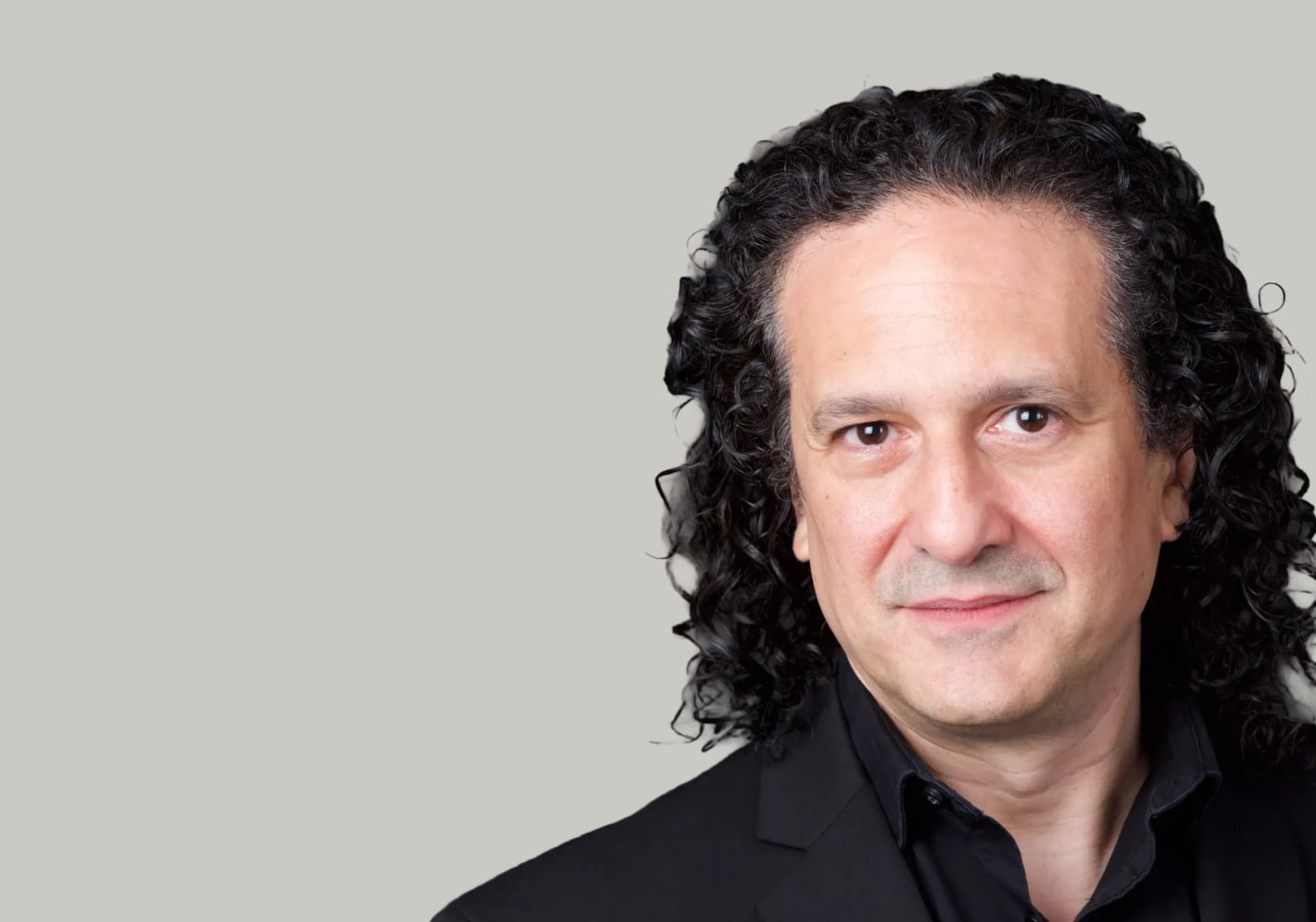
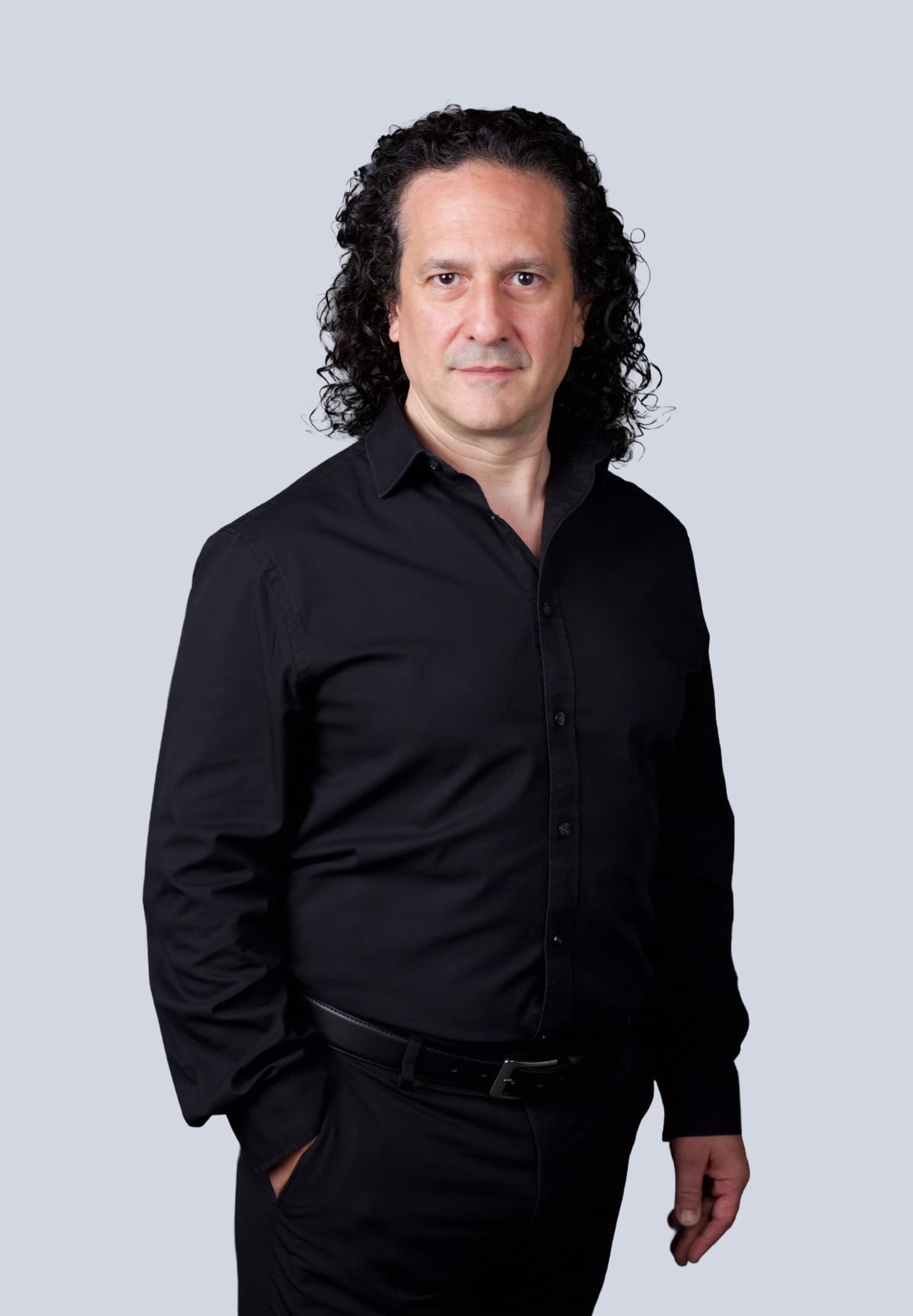
Doug Yoel, an award-winning Technical Director and producer with 2 French Grammy Awards, will show you how to plan, build, and run shows that hold up when it counts.
THIS COURSE IS FOR YOU, IF...
-
YOU ARE AN INTERMEDIATE OR SENIOR AV PRO
Deep skill in one technical area won't carry you into Technical Direction on its own. This technical event production course builds your technical planning, budgeting, crew leadership, and show management skills through site surveys, budget workshops, and live show simulations. You'll leave ready for Technical Director and Production Manager roles, with a complete Technical Production Package to prove it.
-
YOU ARE A TECHNICAL DIRECTOR OR PRODUCTION MANAGER
You can run a show, but today's systems demand deeper networking and infrastructure knowledge. In this event technical production course, you'll work through system design, signal-flow documentation, network architecture, and troubleshooting methods across Dante, NDI, and DMX environments. You'll oversee complex live and hybrid productions with stronger risk management and the technical fluency to back every call.
Our students work in 1600+ companies worldwide

Across eight workshops, you'll run a simulated site survey, build a technical budget, rehearse a show, and handle a live event scenario full of instructor-set challenges. Four assignments take you from a Technical Requirements Document to a complete load-in and build schedule.
Doug Yoel brings decades of live, hybrid, and broadcast experience into every class, from a real-world Dante demo to a teardown of how a major live event is structured behind the scenes. You'll trade show-crisis stories with your cohort and learn how past failures lead to smarter planning, with 1:1 sessions available for career guidance.
Your final project is a complete Technical Production Package for a live, hybrid, or broadcast event of your choice. It spans planning, systems architecture, and show execution, from the TRD and budget to network diagrams, a show runbook, and an incident response plan. It mirrors what a Technical Director produces on the job, ready to show in interviews and freelance pitches.
- Works as Technical Director, Audio & Video Engineer, and Multi-Media Producer at Highwoods House Productions
- Brings decades of experience leading live, hybrid, broadcast, and studio productions
- Leads high-profile events in New York and around the world for global brands and major venues
- Won a DigiDay Media Award for Best Web Series, WSJ+ Slow Food Fast, as Technical Director for PMGR
- Earned 2 French Grammy Awards and 4 US Grammy nominations as Producer for Disques Dreyfus
- Collected 23 festival awards and selections as Director of Photography for HereTV
- Operates independently with a keen awareness of current and emerging production technologies
Meet your instructor and fellow cohort, walk through the course roadmap, and get a clear view of the assignments and final project you'll build over the coming weeks.
- Instructor and student introductions
- Course roadmap
- Assignments and final project overview
- Class discussion: sharing your lived experience in live events
Explore how live event technology has evolved and where the Technical Event Manager fits across corporate events, concerts, sports, exhibitions, and hybrid productions as you move from operator to leader.
- Evolution of production technology through the Covid era
- Event technology sectors
- Production team structures and responsibilities
- Technical departments and interdependencies
- Moving from operator to technical leader
- Workshop: mapping the technical ecosystem and stakeholders of a major live event
Learn to turn creative event briefs into Technical Requirements Documents, define scope early, and keep client expectations grounded while balancing experience goals against real budgets.
- Client discovery meetings
- Reading event briefs
- Defining technical scope
- Early risk identification and redundancy planning
- Stakeholder communication plans
- Managing client expectations and "Magical Thinking"
Assignment #1: Technical Requirements Document
Convert a creative event brief into a Technical Requirements Document.
Discover how to select the right audio, video, and lighting technologies for each client need and plan Dante, NDI, and DMX networks with redundancy built in from the start.
- Audio-over-IP routing with Dante
- NDI fundamentals, bridge, and remote workflows
- Video infrastructure design
- DMX, Art-Net, and sACN lighting networks
- Media-specific latency and system redundancies
- Demo: a real-world Dante workflow
Assignment #2: Integrated AV System
Design an integrated AV system for a hybrid event.
Master the system maps and signal-flow documentation that keep every department aligned, from audio and video pathways to lighting control, broadcast routing, and Vectorworks schematics.
- Systems thinking for live events
- Audio and video signal flow
- Signal-flow documentation standards
- Lighting control pathways and broadcast routing
- Technical schematics and scenic plans in Vectorworks
- Workshop: class discussion on the worst show crisis you've witnessed
Build the networking knowledge live production now depends on, designing redundant IP-based architectures and deciding when AV-over-IP, traditional AV, or a hybrid approach best fits the show.
- What gets networked and why
- AV-over-IP, traditional, and hybrid applications
- Layer 2 vs Layer 3 networking
- VLANs, QoS, and multicast (IGMP)
- Production network topology and bridging hardware
- Network redundancy fundamentals
Assignment #3: Signal-Flow Package & Network Architecture
Create a production signal-flow package and design an event network architecture.
Develop accurate technical budgets, plan procurement, and negotiate with equipment vendors using scope-of-work documents and comparison strategies that keep productions on budget and properly covered.
- Equipment estimation and rental workflows
- Budget creation
- Vendor negotiations and comparison strategies
- Procurement and scope-of-work development
- Insurance
- Workshop: developing a technical budget for a specific event
Plan the people and places behind every show, from crew staffing, labor scheduling, and union considerations to venue site surveys covering power, rigging, internet, and access.
- Crew staffing and labor scheduling
- Union considerations and travel logistics
- Comprehensive venue site surveys
- Internet planning for hybrid events
- Load-in access and venue risks
- Workshop: simulated site survey
Sequence equipment staging, coordinate departments through load-in, and commission audio, video, lighting, and internet systems while validating networks and redundancy paths before doors open.
- Equipment staging and interdepartment coordination
- Technical commissioning workflows
- Dante, NDI, and DMX deployment
- Network validation, clocking, and monitoring
- Troubleshooting methodologies
- Verifying redundancy paths
Assignment #4: Load-In & Build Schedule
Create a load-in and build schedule.
Validate every system end to end, run technical and executive rehearsals, and apply go/no-go frameworks that tell you with confidence when a show is truly ready to go live.
- System testing and end-to-end validation
- Cue testing
- Technical and executive rehearsals
- Show readiness assessments
- Go/no-go decision frameworks
- Workshop: technical rehearsal simulation
Turn yesterday's disasters into today's expertise by designing failover systems and building incident response protocols for equipment failures, network outages, and cybersecurity threats.
- Backup system design
- Mitigating hardware and network failures
- Disaster recovery
- Cybersecurity
- Incident escalation and crisis communication
- Workshop: technical incident crisis planning
Step into the show-day command seat, leading technical operations through clear command structures, intercom communication, and real-time decisions while keeping stakeholders and executives informed.
- Show-day leadership
- Production command structures
- Intercom systems
- Technical decision-making and real-time escalation
- Executive communication under pressure
- Workshop: live show simulation with instructor-set challenges
Integrate streaming platforms and cloud production into hybrid shows, plan broadcast failover, and manage latency, recordings, and virtual participants for audiences in the room and online.
- Streaming platforms and cloud integration
- Broadcast failover planning
- Latency across hybrid productions
- Recordings and audio mastering
- Virtual participants and live graphics
- Workshop: operating a hybrid event scenario
Close out every event cleanly with strike, de-rig, and equipment return plans, then review what worked and explore the emerging technologies shaping your next career move.
- Strike and de-rig planning
- Equipment returns
- Post-event analysis
- Emerging live production technologies
- Next steps and Q&A
What our students say
"I really enjoy the format of the course. Lectures with real life examples and an ongoing case study. Also built in 20 minutes at the end of each class for questions is helpful."
"Overall I'm impressed with the level of detail and explanation around particular topics and subjects. There's a real depth to each module which for learning allows the information to stay in your brain."
"The group activities, they allow us to interact and exchange ideas, plus the way it is structured is challenging and mind twisting as we collaborate in different parts of the ideation."
"I enjoyed the structure of the class. I like how we learned about a topic and practiced it in the workshops. It’s helped me to apply what I learned!"